
Authors: Meghan Etsey MS3, Rhea Manohar MS2, Ariela Marshall MD on behalf of AMWA Gender Equity Task Force
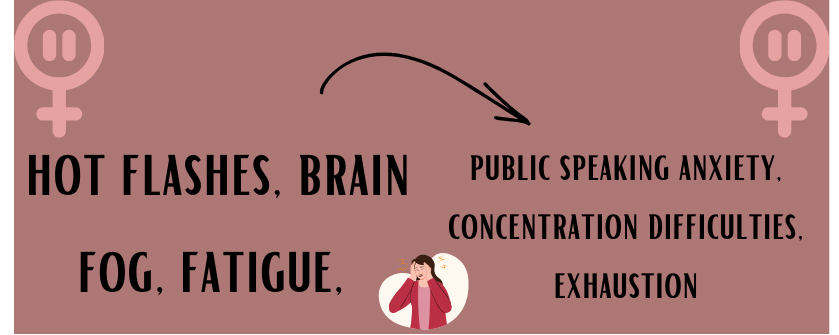
Menopause is a natural biological process that every person who menstruates (hereafter referred to as women) experiences, typically between the ages of 45 and 55. However, the conversation (or lack thereof) surrounding menopause is often shrouded in stigma, misunderstanding, and a lack of support. This silence can hinder women’s health and wellbeing during a significant life transition. While often seen as merely a personal experience, menopause is intertwined with broader societal and health care-focused conversations related to gender equity. For women experiencing menopause, easing the transition starts with support and destigmatizing discussions and education regarding this physiological process.
Take the story of Julie, a 48-year-old mother and nurse practitioner navigating the complexities of menopause. As she dealt with forgetfulness, hot flashes, mood swings, and sleepless nights, she felt increasingly isolated. “I don’t want to burden those around me,” she told herself. . She could not hide her symptoms from her children, but lack of discussion led to a situation where her children questioned if their mother had early onset dementia. They even wondered whether they were going to lose the woman they knew and loved. This misunderstanding occurred because Julie felt too alone and ashamed to discuss her condition with her children. When Julie realized her childrens’ concerns, she knew something had to change and that not only did she need to have a more open and honest discussion with her loved ones but that she also needed to seek treatment for the “taboo” phase of life she was going through.
The experiences of women like Julie highlight the urgent need for greater awareness and support around menopause, which is often overlooked in discussions about women’s health. Here are some key points to consider:
- Stigma and Silence: Many women feel ashamed or embarrassed to discuss menopause, which can lead to feelings of isolation. This stigma prevents women from seeking help or sharing their experiences, perpetuating a cycle of shame and silence (Dahlgren et. al., 2023).
- Lack of Research: Historically, menopause has not received the same level of research attention as other health issues (even those issues specific to womens’ health otherwise such as pregnancy and fertility care). This gap means that women may not have access to the information or resources they need to navigate this transition effectively (Aninye et. al., 2021).
- Healthcare Disparities: Women in menopause face several health disparities, many of which are exacerbated by systemic gender inequities in research, policy and medical care. For example, research has shown that women with an earlier onset of menopause and higher cardiovascular risk may have increased rates of cognitive dysfunction, but there are still gaps in the literature (Alexander et. al, 2024). Many healthcare providers may not be adequately trained to address menopause-related issues, leaving women without the support they need (Aninye et. al., 2021).
Proposed solutions
- Menopause- Focused Care: Menopause-focused care addresses the unique health needs of women transitioning through perimenopause, menopause, and postmenopause. Specialized clinics and programs offer comprehensive services to manage symptoms such as hot flashes, sleep disturbances, mood changes, and bone health concerns. For instance, the OhioHealth Menopause and Midlife Clinic provides tailored care for women in these life stages (OhioHealth). Programs like this aim to enhance women’s quality of life during midlife transitions by offering personalized treatment plans and support.
- Education and Awareness: Increasing awareness about menopause and its impact on women’s health is crucial. Educating both men and women can foster understanding and support, ultimately fostering gender equality (Harper et. al., 2022)
- Improved Research: To advance menopause research, a multifaceted approach is needed. Expanding long-term studies like Study of Women’s Health Across the Nation (SWAN) will help differentiate between the effects of natural aging and menopause-related health changes, while prioritizing racial and ethnic disparities will ensure inclusive healthcare solutions (National 2022).
- Workplace Policies: As women remain a vital part of the workforce, it is essential to create supportive workplaces that recognize the needs of women experiencing menopause. This includes flexible working arrangements and access to health resources such as the Mayo Clinic, Microsoft and the state of New York have implemented (Disclo, 2024).
Menopause is a natural part of life, yet it remains a largely unspoken topic. By breaking the silence, sharing experiences, and advocating for better research and healthcare, we can foster a more equitable environment for women. Julie’s story serves as a reminder that open dialogue about menopause can contribute to greater understanding and support. By educating ourselves and others, we can help dismantle the stigma surrounding menopause and promote gender equity in health care and society. We recommend that everyone take part in self education on the topic as a push towards understanding. Below we have listed resources for reading on the topic. The creation of safe spaces for women to share their stories can help dismantle the stigma associated with menopause. In doing so, we can work together to advocate for change; thereby ensuring that all women have the resources and support they need during this transition. Let’s break the silence and promote understanding—because every woman’s journey deserves to be heard at every point throughout her life.
Resources for further education:
Kuhlmann, E. (2019). Menopause: A comprehensive approach. Journal of Health and Social Behavior, 60(3), 355-370. 10.1007/978-3-319-59318-0
National Institute on Aging. (2021). Menopause: What women need to know. Retrieved from https://www.nia.nih.gov/health/menopause
World Health Organization. (2021). Gender and health. Retrieved from https://www.who.int/health-topics/gender#tab=tab_1
National Institute on Aging. (n.d.). What is menopause? U.S. Department of Health and Human Services. Retrieved February 28, 2025, from https://www.nia.nih.gov/health/menopause/what-menopause
Genentech. (2023, August 10). Breaking the silence on menopause. Retrieved February 28, 2025, from https://www.gene.com/stories/breaking-the-silence-on-menopause
Citations:
- Alexander, M. W., Wu, C.-Y., Coughlan, G. T., Puri, T., Buckley, R. F., Palta, P., Swardfager, W., Masellis, M., Galea, L. A. M., Einstein, G., Black, S. E., & Rabin, J. S. (2024). Associations between age at menopause, vascular risk, and 3-year cognitive change in the Canadian Longitudinal Study on Aging. Neurology, 102(9), 497-505. https://doi.org/10.1212/WNL.0000000000209298
- Aninye, I. O., Laitner, M. H., Chinnappan, S., & the Society for Women’s Health Research Menopause Working Group. (2021). Menopause preparedness: Perspectives for patient, provider, and policymaker consideration. Journal of Women’s Health, 30(10), 1370–1374. https://pubmed.ncbi.nlm.nih.gov/34183564/
- Dahlgren, M. K., Kosereisoglu, D., Smith, R. T., Sagar, K. A., Lambros, A. M., El-Abboud, C., & Gruber, S. A. (2023). Identifying variables associated with menopause-related shame and stigma: Results from a national survey study. Journal of Women’s Health, 32(11), 1182–1191. https://www.liebertpub.com/doi/10.1089/jwh.2023.0185
- Disclo. (2024). Navigating menopause benefits at work: Supporting women’s health in the workplace. Disclo. Retrieved March 4, 2025, from https://www.disclo.com/resources/navigating-menopause-benefits-at-work-supporting-womens-health-in-the-workplace
- Harper, J. C., Phillips, S., Biswakarma, R., Yasmin, E., Saridogan, E., Radhakrishnan, S., Davies, M. C., & Talaulikar, V. (2022). An online survey of perimenopausal women to determine their attitudes and knowledge of the menopause. Post Reproductive Health, 28(3), 159–167. https://pubmed.ncbi.nlm.nih.gov/35758176/
- National Institute on Aging. (2022, May 6). Research explores the impact of menopause on women’s health and aging. National Institutes of Health. https://www.nia.nih.gov/news/research-explores-impact-menopause-womens-health-and-aging
- OhioHealth. Menopause and midlife clinic. OhioHealth. https://www.ohiohealth.com/services/womens-health/our-programs/menopause-and-midlife-clinic
About the Authors
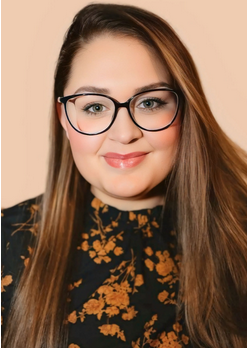 Meghan Etsey, MS3
Meghan is a third year medical student from St. George’s University. She has a Bachelors of Arts in Biology and a Bachelors of Arts in Nutrition and Dietetics from Bluffton University in Bluffton, Ohio. She served as the President of the St. George’s University’s Women in Medicine chapter in St. George, Grenada where she expanded relationships with the community and worked towards educating women and helping the youth. She is also a member of the Gender Equity Task Force and Sex and Gender Health Collaborative Committees within the American Medical Women’s Association. When she is not pursuing medicine, you can find her with her friends and family on different road trips and adventures exploring the world.
 Rhea Manohar, MS2
Rhea Manohar is a second year medical student from St. George’s University. She has a Masters in Public Health with a concentration in Maternal and Child Health from George Washington University Milken Institute of Public Health and a Bachelors of Science in Microbiology, Immunology, and Public Health from the University of Miami. She served as Co-VP of OB/GYN Education for St. George’s University’s Women in Medicine chapter in St. George, Grenada where she developed and implemented hands-on workshops to further reproductive health issues and bolstered medical students’ abilities to navigate physician-patient communication. Prior to medical school, she was a research associate for Fors Marsh Group, where she led qualitative and quantitative public health research and campaign development for federal agencies (e.g., CDC, NIH, DHHS, CPSC). She is also a member of the Gender Equity Task Force and Reproductive Health Coalition within the American Medical Women’s Association. When she is not pursuing medicine, you can find her reading, exploring artistic passions, and spending time connecting with friends and family.
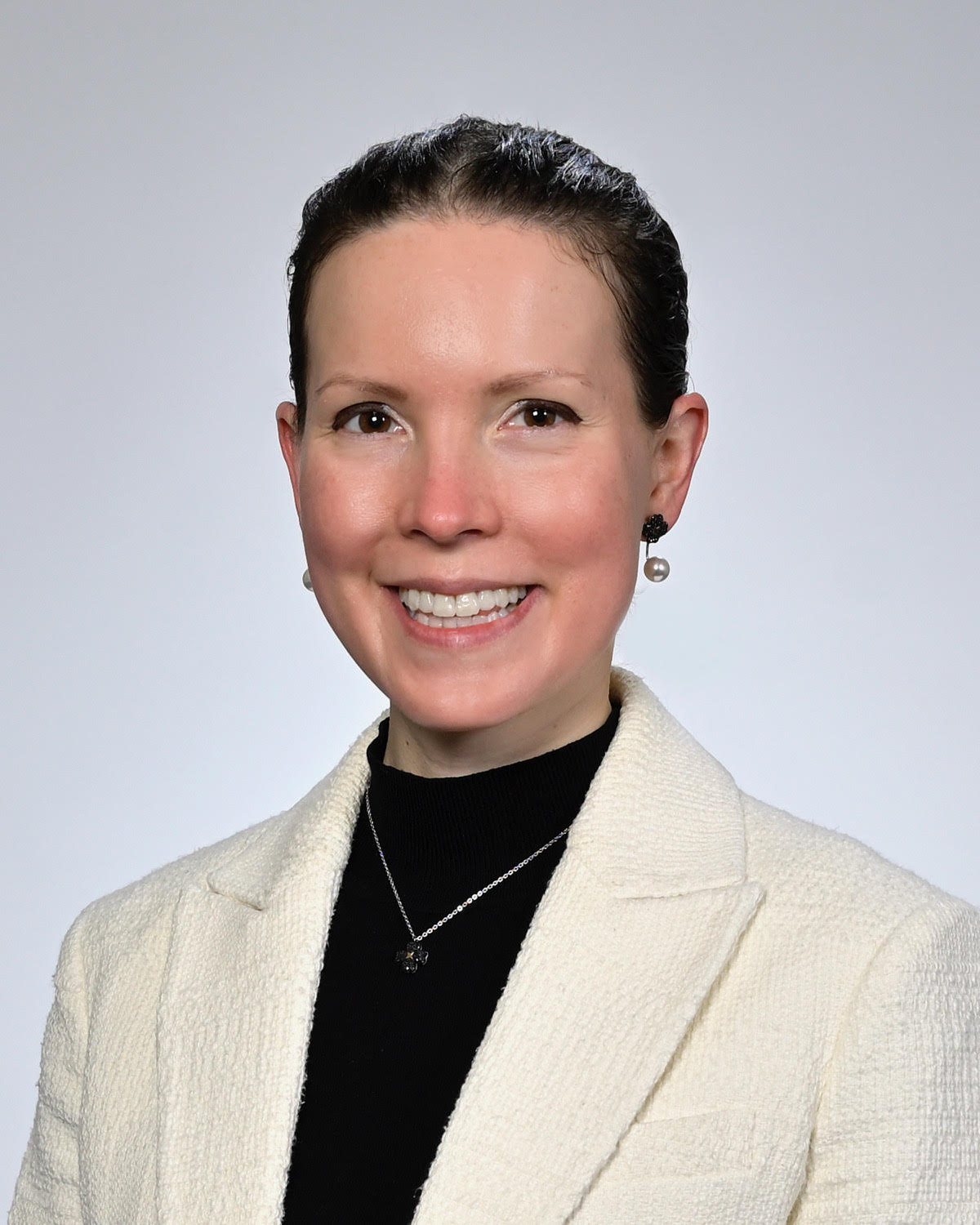 Ariela Marshall, MD
Dr. Ariela Marshall is a Harvard-trained physician and an internationally renowned advocate, career development advisor, and mentor. Dr. Marshall specializes in bleeding and clotting disorders, especially as they relate to women’s health. She has worked at Mayo Clinic and the University of Pennsylvania and currently practices part-time as a consultative hematologist at the University of Minnesota. In addition to her clinical work, Dr. Marshall is a highly respected leader, mentor, and speaker. She is an active leader with the American Society of Hematology (where she led efforts to found the Women in Hematology Working Group and currently holds seats on the Women in Heme Working Group, Committee on Communications and Media Experts Subcommittee) and American Medical Women’s Association (leading the Infertility Working Group and holding seats on the Gender Equity Task Force). She is the Chief Innovation Officer at Women in Medicine and the Curriculum Chair at IGNITEMed, which are both 501(c)(3) nonprofit organizations dedicated to promoting career development for women in medicine. She speaks regularly on a national and international scope to discuss her efforts to advance career development and mentorship for physicians, gender equity, fertility/infertility awareness, parental health and wellbeing, reproductive health and rights, and work-life integration.