

AMWA Members – Log-in to View Conference Materials in Learning Hub
Join us for a compelling webinar that delves into the often overlooked and underrepresented aspects of Intimate Partner Violence (IPV). This event aims to shine a light on the stories that are rarely told, offering a broader understanding of the complexities surrounding IPV.
Through personal narratives and expert discussions, we will explore the nuances of IPV that are frequently left out of the conversation, fostering a deeper awareness and encouraging meaningful change.
Whether you are a survivor, advocate, professional, or simply interested in learning more, this webinar will provide invaluable perspectives that challenge common perceptions and broaden the discourse on IPV.
If you would like to contribute to the mission of the Domestic Violence Prevention Group, please consider making a donation. Donations allow us to continue hosting educational and inspiring events!
Make a Donation
12:10-1:10 EST
Keynote Address – A Vision for Tomorrow: Creating Change Through Healing, Hope & Advocacy
Tiffany Garner, MA, MPA – Futures Without Violence
This session is designed to inspire you to envision a future where children, families and communities impacted by violence and trauma are treated with dignity and equity, where holistic healing is centered, and hope is offered to all. As public health professionals and advocates, prepare to lead the way through gaining practical advocacy steps, transforming your mind and taking a stand for the needs and safety of those impacted by violence.
1:15-2:15 EST
Reproductive Coercion
Natalie Nanasi, JD & Uma Reddy, MS-3
This session will discuss medical and legal aspects of Reproductive Coercion and the ways in which the current legal landscape (restrictive contraception and abortion laws) is contributing to this form of IPV.
2:20 – 3:50 EST
Survivor Panel
Quinn Elleen Formley, BPH; Katharine Jeffreys, BA; & Chloe Nazra Lee, MD, MPH
This diverse panel of voices—including survivors working in healthcare, a sibling of a survivor, and passionate policy advocates—will feature personal narratives to shine a light on the often overlooked and underrepresented aspects of IPV.



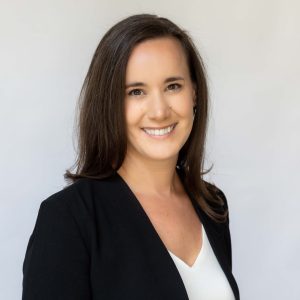


Chloe Nazra Lee, MD, MPH
Resident physician, Department of Psychiatry, University of Rochester Medical Center
Chloe Nazra Lee, MD, MPH, is a resident physician in the Department of Psychiatry at the University of Rochester Medical Center in New York. Her professional interests include narrative medicine, trauma disorders, and working with survivors of abuse. She is a freelance writer on the side and her work on IPV, medical misconduct, and gun violence has appeared in Ms. Magazine, MedPage Today, The Baltimore Sun, Women’s Media Center, Doximity, and The Buffalo News.
Katharine Jeffreys, BA
Family Medicine Interest Group Leader, Rush Medical College
Past Assistant Director, American Medical Women’s Association
Katharine Jeffreys is a second year medical student at Rush Medical College in Chicago, IL. Her passions include Domestic Violence Prevention and Gun Violence Prevention, advocating for Black Maternal Health, and medical education.
Uma Reddy, BSA
Medical Student, Texas A&M College of Medicine; Physicians for Human Rights Student Advisory Board Sex and Gender Based Violence Committee 2023-2024 and Children’s Health Committee 2024-2025
Uma Reddy is a third year medical student at Texas A&M College of Medicine. She graduated from the University of Texas at Austin in 2021 and took a gap year working in education as a teacher aide and after school teacher before starting medical school. Since starting medical school, she has been an advocate for reproductive rights and healthcare equity. She became involved with Physicians for Human Rights’ Student Advisory Board (PHR SAB) in 2023, joining the Sex and Gender Based Violence committee and developing a Reproductive Coercion education and awareness module for healthcare professionals. She is now on the Children’s Health committee and remains involved with PHR SAB’s reproductive healthcare work.
Natalie Nanasi, JD
Associate Professor, SMU Dedman School of Law
Natalie Nanasi is an Associate Professor at SMU Dedman School of Law. She is the founding Director of the law school’s Hunter Legal Center for Victims of Crimes Against Women, where she teaches and supervises students representing survivors of gender-based violence in a broad range of legal matters and oversees systemic advocacy efforts that aim to both prevent and seek long-term solutions to the problem of violence against women.
Tiffany Garner, MA, MPA
Futures Without Violence, Child & Health Federal Policy Advocate
Tiffany Garner currently serves as the Federal Policy Advocate for Children & Health at Futures Without Violence in Washington, DC. She currently works on federal policy and legislation addressing issues including domestic violence, maternal health, community health centers, mental health/child trauma, child welfare, and gun violence. Prior to her time at Futures, she worked with Giffords Courage to End Gun Violence, led by former Congresswoman Gabby Giffords, on preventing further firearm violence and homicides through advocacy and lobbying for legislation that establishes community- based violence intervention and prevention funding throughout the states. She has actively engaged in coalition-building and community organizing at local and state levels, focusing on violence prevention programs and strategies that would help reduce community violence and center equity, specifically within communities of color. Tiffany is a proud native of North Carolina where she spent over seven years as a domestic violence counselor, primarily serving women and children children exposed to intimate partner violence, including teen perpetrators of violence.
Quinn Elleen Gormley, BPH
Equity & Access Coordinator, Maine Coalition Against Sexual Assault, Call Chaplain, Maine Health
MDiV student, Chicago Theological Seminary
Quinn is an experienced advocate for survivors of sexual and gender based violence. She has worked in the anti-violence field for 11 years, including time as a victim advocate, and seven years directing a program specifically for transgender survivors. She now coordinates equity and access work for underserved populations for a statewide coalition against sexual assault. She has presented nationally on issues of LGBTQ+ inclusion and survivor services.
12:10-1:10 PST
Keynote Address – A Vision for Tomorrow: Creating Change Through Healing, Hope & Advocacy
Tiffany Garner, MA, MPA – Futures Without Violence
This session is designed to inspire you to envision a future where children, families and communities impacted by violence and trauma are treated with dignity and equity, where holistic healing is centered, and hope is offered to all. As public health professionals and advocates, prepare to lead the way through gaining practical advocacy steps, transforming your mind and taking a stand for the needs and safety of those impacted by violence.
1:15-2:15 PST
Reproductive Coercion
Natalie Nanasi, JD
Uma Reddy, MS-3
This session will discuss Reproductive Coercion and the ways in which the current legal landscape, including access to contraception and abortion care, contributes to violence against women.
2:20 – 3:50 PST
Survivor Panel
Quinn Elleen Formley, BPH
Katharine Jeffreys, BA
Chloe Nazra Lee, MD, MPH
This diverse panel of voices— including survivors working in healthcare, a sibling of a survivor, and passionate policy advocates—will feature personal narratives to shine a light on the often overlooked and underrepresented aspects of IPV.